
What Does a Poker Night in the UAE Actually Look Like?
Poker in the UAE: A Complete Guide to Legal Play, Cash Games, and Tournaments
Ever wondered what poker UAE actually feels like when the desert heat fades and the cards hit the felt? Poker UAE is a private, community-driven way to enjoy Texas Hold’em and Omaha with locals and expats who share your passion—no flashy casinos, just real games in comfortable venues or home settings. You get to test your skills, read opponents, and improve your strategy in a relaxed, social atmosphere that’s all about the game itself. Poker UAE is your gateway to serious play without the glitz, so just find a trusted circle, bring your chips, and let the action unfold.
What Does a Poker Night in the UAE Actually Look Like?
A poker night in the UAE is a discreet, invite-only affair, usually hosted in a private villa or hotel suite rather than a public cardroom. You’ll find a mix of expats and visitors around a felt table, with buy-ins kept modest to keep things friendly. The host handles the setup—cards, chips, and a dealer if the group is serious—while drinks are often non-alcoholic or BYOB depending on the venue’s rules. Since public gambling is off-limits, the game stays low-key, with phones put away and parking arranged beforehand. Q: Do you play for real money? A: Usually yes, but as a private “kitty” or stakes settled via app transfers afterward. It feels less like a casino grind and more like a social dinner where the poker is the centerpiece.
Where Can You Find Live Poker Tables in Dubai and Abu Dhabi?
For a genuine live poker session in the UAE, your only real options are the two licensed casino floors: the Caesars Palace Bluewaters Dubai and The Wynn Al Marjan Island in Ras Al Khaimah, roughly an hour from Abu Dhabi. Dubai’s poker tables operate daily in the dedicated poker room at Caesars, offering cash games like Texas Hold’em and scheduled tournaments. Abu Dhabi itself has zero operational poker rooms; you must travel to RAK. Alternatively, private home games exist in both cities, but they require trusted invitations and carry inherent risk. Your surest, legal fix remains Caesars Dubai or the Wynn’s expanding poker area. Plan for the drive, and check their live table availability before heading out.
What Is the Dress Code and Etiquette at Local Poker Rooms?

In UAE poker rooms, dress code leans toward smart-casual, with collared shirts, tailored trousers, or dark jeans accepted; avoid athletic wear, shorts, or flip-flops. Etiquette demands respectful table behavior, including keeping cards visible, acting in turn, and avoiding slow-rolling. Chips must be stacked neatly in the betting area, and phones stay silent off the felt. Dealers expect a clear verbal declaration on raises, and tipping is customary after winning pots. Never touch another player’s cards or chips, and wait for the dealer to push the pot before celebrating. A quiet, disciplined demeanor aligns with local cultural norms.
- Ask permission before leaving the table mid-hand.
- Keep conversations low-volume and avoid political or religious topics.
- Use hand sanitizer at the table between shuffles.
How Do You Join a Private Poker Home Game Safely?
To join a private poker home game in the UAE, start exclusively through trusted personal networks—never public social media groups. Confirm the host’s identity and the exact villa or apartment location beforehand, and verify that the game is strictly by invitation only to minimize exposure. Arrive with a predetermined cash buy-in, as digital transfers can leave a trail; keep your chip count discreet and your phone away from the table. Agree on house rules, including rebuys and time limits, *before* the first hand. Leave immediately if any attendee appears intoxicated or aggressive. Discretion is your primary safety tool—park a street away and never announce the address in messages.
Q: How do you vet a host for a private home game in the UAE?
A: Ask two mutual contacts for a direct reference, then meet the host once in a public café to gauge their setup—never commit to a first game at an unverified location.
Understanding the Digital Side: Playing Poker Online From the Emirates
Jumping into poker UAE from your laptop in the Emirates means getting comfortable with the digital workflow before you ever see a flop. The first practical step is ensuring your connection is stable—a dropped hand due to wifi lag is a real buzzkill, so plug in via ethernet if you can. You’ll also want to master the client’s multi-tabling features, since most local players prefer swapping between cash games and fast-fold formats to keep action rolling. Banking is the next hurdle: choose a e-wallet that already works smoothly with your UAE-issued card to avoid deposit friction, and always pre-set deposit limits to keep your session mindful. Your phone’s VPN is not your friend here—dedicated poker software needs a clean IP, not a bouncing one, to avoid account flags. Practice with play-money tables first to test how the site handles your timezone and server latency. The real trick is syncing your sleep schedule to peak international traffic, since playing at 3am Dubai time might mean facing tougher European grinders than afternoon casuals. Finally, keep a second device handy for note-taking on opponents—the digital edge is all about tracking patterns, not just cards.
Which International Poker Apps Work Smoothly With UAE Internet?
For poker UAE players, the apps that actually run without constant buffering are those with lightweight clients and strong server redundancy—think PokerStars’ downloadable version, which often bypasses throttling better than its browser-based sibling, and 888poker’s mobile app, which loads hand histories fast even on 4G. Avoid apps that rely on peer-to-peer connections, as UAE ISPs frequently degrade those. A quick sequence to test smoothness: install the app, join a free-play table, toggle Wi-Fi off, and see if the action stutters; then switch to a VPN with a UAE-adjacent node (like Bahrain) and repeat. What works at 2 AM might lag during peak hours, so always keep a backup app like partypoker ready. Finally, check app size—anything over 200 MB often struggles with local routing.
How to Handle Deposits and Withdrawals in Dirhams?
When managing dirham-denominated poker transactions, prioritize platforms that auto-convert AED at the mid-market rate, avoiding double-conversion fees. For deposits, use e-wallets (Skrill, Neteller) or crypto stablecoins (USDT) to bypass bank card rejection—UAE-issued cards often block gambling merchants. Withdrawals in dirhams work best via local bank transfer (IBAN) or cash pickup through authorized exchange houses, though processing takes 2–5 business days. Always verify your poker site’s minimum withdrawal threshold in AED, as some set 500 AED or higher. Requesting a withdrawal in AED rather than USD saves 3–7% on conversion spreads. Keep proof of every transaction, since banks may freeze funds pending source-of-wealth checks. For urgent cash, use peer-to-peer (P2P) crypto trades, but only with escrow—direct UPI-style transfers to strangers carry chargeback risks. Test with a small deposit first to confirm the site’s dirham-handling path before committing larger sums.
Are There Time Zone-Friendly Tournaments for Local Players?
For players in the Emirates, time zone-friendly tournaments are a practical reality, not a myth. Most major online rooms schedule “early bird” events at 16:00–18:00 GST, aligning with post-work hours. Late-night “sunrise” series target 02:00–04:00 GST, catering to night owls. Look for lobby filters labeled “Middle East” or “Asia Pacific” to surface these directly. Additionally, “turbo” and “hyper-turbo” formats compress sessions to under 90 minutes, minimizing late finishes. Check the tournament timer’s start time against your local clock; many sites now auto-convert to GST. Avoid peak European slots (21:00 GST) unless you prefer marathon play.
Mastering the Rules and Variants Most Popular Among UAE Players
In the hushed majlis rooms and private villas where poker UAE thrives, mastering the game isn’t about memorizing a single rulebook—it’s about fluidly switching between Texas Hold’em’s aggressive betting rounds and the tighter, pot-limit discipline of Omaha, which many Emirati players favor for its action-rich draws. You learn to read the subtle shift when a local opponent checks behind on the turn, a move that signals a slow-played set rather than weakness, while also adapting to the home-game variant where the dealer’s card is burned twice. Ask any seasoned player in Dubai: “What’s the quickest way to lose respect at a table?” — the answer is always, “Misdeclaring your hand in the 5-card draw variant they call ‘Emirati Short Deck.’” The real mastery comes from observing how mixed-game rotations are announced—often in rapid Arabic—and knowing when to fold marginal aces before the flop, because the unspoken rule here is that patience wins more pots than bluffing.
Why Texas Hold’em Dominates the Local Casual Scene?
Texas Hold’em dominates the local casual scene because its simple pre-flop structure lets UAE beginners grasp the core betting rounds within minutes, while the shared community cards create constant, low-stakes action that suits social groups. Unlike variants like Omaha, Hold’em’s two-hole-card format reduces decision overload, allowing casual players to read opponents’ tendencies without tracking complex hand combinations. This accessibility, combined with the dramatic all-in showdowns that naturally occur on the river, keeps tables energetic. For home games across Dubai and Abu Dhabi, strategic bluffing on the turn becomes the main skill separator, which rewards experienced locals without alienating newcomers—exactly why casual sit-downs almost always default to this variant over stud or draw games.

What Are the Key Differences in Pot-Limit Omaha You Should Know?
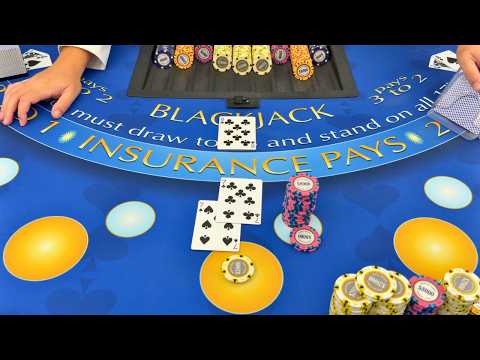
When jumping into Pot-Limit Omaha in the UAE’s live cash games, the biggest shift from Texas Hold’em is that you *must* use exactly two of your four hole cards with three from the board—never more, never less. This means starting hands like double-suited aces are gold, but single-pair hands lose power fast. You’ll also cap your bets at the current pot size, so you can’t shove all-in over a small bet like in No-Limit, which rewards precise pot-sized raises. Key differences in Pot-Limit Omaha you should know include far more possible draws, so a made straight can be crushed by a re-draw on the river. Your preflop equity edges are much thinner, so position and nut-draw hunting matter more than raw aggression.
- Always track the pot size to calculate max bets quickly.
- Avoid chasing non-nut flushes—they’re traps in multi-way pots.
- Four cards mean more ties; protect your best hand with strong checks and raises.
How to Play Short-Deck Poker, a Regional Favorite?
To master Short-Deck Poker for UAE players, start by removing all cards from 2 through 5, leaving a 36-card deck. This shifts hand rankings: a flush now beats a full house, and three-of-a-kind outranks a straight. Each player receives two hole cards, and betting rounds mirror Texas Hold’em. Because the deck is thinner, aces high and suited connectors gain massive value, while low pairs lose equity. Post-flop, you’ll hit strong hands more often—two pair or better appears roughly 40% of the time. Adjust by playing tighter pre-flop but aggressive post-flop, and never chase gutshots, as odds are worse than they appear. Position matters even more here, so steal blinds frequently from late seats.
Short-deck poker removes 2-5s, boosts flushes and trips, and demands aggressive post-flop play—key for UAE players seeking fast, high-action rounds.
Smart Strategies for Beginners Entering the UAE Poker Scene
For beginners entering the UAE poker scene, start by prioritizing private home games or members-only social clubs where the stakes are low and the atmosphere is more forgiving than high-pressure tournaments. Master tight-aggressive play from the start, since UAE casual tables often feature loose callers who punish over-bluffing. Focus on position and pot control, avoiding large bets with marginal hands. Bankroll management is non-negotiable, so set a fixed monthly loss limit and never chase it with higher stakes. Study local player tendencies quietly, as many UAE regulars favor predictable pre-flop raises but fold easily to well-timed checks on the turn. Adaptability matters more than flashy plays, especially when games shift between Arabic-style fast rounds and Western slow structures. Also, track your session results in a simple notebook, reviewing leaks after each game rather than relying on memory.
How to Build a Starting Bankroll Without Overspending?
Start by allocating a fixed monthly sum—no more than 5–10% of disposable income—exclusively for poker, treating it as an entertainment cost rather than an investment. In the UAE’s cash-heavy social games, join micro-stakes or low buy-in tournaments (AED 50–100) to stretch your initial capital, and rigorously track every session in a spreadsheet to identify leaks. Play only at stakes where you can afford 20–30 buy-ins, avoiding the temptation to jump into higher blinds after a lucky win. Reinvest a small fraction of profits (e.g., 20%) into your roll while withdrawing the rest, ensuring gradual growth without financial strain. Building a poker bankroll in UAE requires disciplined staking limits—never chase losses with emergency funds, and pause play if you breach your pre-set loss ceiling for the week.
Build your UAE poker bankroll by budgeting a truewin ae tiny fixed monthly amount, playing micro-stakes games, tracking every result, and capping losses before you ever risk financial comfort.
What Bluffing Tactics Work Best Against Mixed-Skill Opponents?
Against mixed-skill tables in the UAE, the most effective bluff targets the middle-tier player, not the novice. A semi-bluff with a live draw works best because it pressures thinking opponents who fold marginal hands, while still having equity if called by a calling station. Avoid pure bluffs against beginners—they call with top pair regardless of board texture. Instead, bluff the competent but tight player on turn cards that complete obvious straights or flushes, especially when you have position. Against the mixed field, bet 60-70% pot on scare cards only after checking back the flop, which signals weakness and induces folds from better hands while keeping your story consistent.
How to Read Table Dynamics in a Multicultural Player Pool?
In the UAE’s multicultural player pool, first observe betting tempo rather than nationality—players from cash-heavy cultures often bluff with oversized chips, while tight-aggressive locals value protection. Reading table dynamics in the UAE poker scene requires decoding non-verbal cues: South Asian players may slow-roll to induce action, Europeans use rapid check-raises as timing tells, and GCC regulars frequently defend blinds with wide ranges. Track preflop raise sizes against stack depths; a sudden limp from a previously aggressive expat signals a trap. Adjust by categorizing opponents into three buckets—pressure-averse tourists, value-hunting professionals, and unpredictable recreationals—then exploit the most emotional seat first.
- Note hand-strength reveals: players who show cards after winning without being asked are advertising looseness.
- Watch for physical tells like prolonged staring (bluff) versus quick glances at chips (strength).
- Identify table captain: the player who controls bet sizing on every street dictates flow—poker against him directly.
- Leverage language barriers: sudden switching to Arabic or Hindi with a dealer often signals a serious hand.
Getting the Most Out of Your Poker Experience: Practical Player Tips
To get the most out of your poker UAE experience, focus on bankroll discipline before you sit down, as the region’s private games and home tournaments often require buy-ins that vary sharply by venue. Master tight-aggressive play early, since many UAE players favor loose calls in casual settings, and exploit that by value-betting thinner than you would in a stricter game. Always confirm the house rules on betting limits and straddles at each table, as informal clubs in Dubai and Abu Dhabi apply them inconsistently, and track your session time against your win rate to avoid fatigue-driven mistakes. Adapting your bluff frequency to the specific mix of expatriate styles is more useful than any generic strategy chart. Finally, bring cash in small denominations, as many UAE games lack change-making convenience, and leave your phone aside to stay fully present.
What Should You Bring to a Live Poker Meetup in the UAE?
For a live poker meetup in the UAE, bring your Emirates ID or passport for venue entry verification, plus a printed or digital copy of your meetup confirmation. Carry a reusable water bottle and a small hand sanitizer, as shared tables and cards require hygiene diligence. Pack a slim card protector or lucky coin to mark your button position, and bring a notepad and pen for tracking hands—do not rely on phones, as some venues restrict device use at tables. Cash is essential, since most casual meetups avoid card payment systems, and bring it in small denominations for rebuys. Finally, include a light hoodie, as air conditioning is often aggressive, and comfortable shoes for standing around tables. Your essential poker meetup kit balances identification, hygiene, and low-tech tools for smooth play.
How to Improve Your Game Using Free Local Practice Groups?
Joining free local practice groups in the UAE is the fastest way to sharpen your game without risking a dirham. These informal meetups—often organized through WhatsApp or poker forums—let you test aggressive bluffs and tight calling ranges against real opponents who play the Gulf style. To improve your game using free local practice groups, track every hand you misplay and ask for immediate feedback after each session. Rotate tables to face varied aggression levels, and mimic tournament pressure by setting a timer. Consistent weekly sparring in these circles builds instincts no online tutorial can match. Post-session reviews are your goldmine.
Q: How often should I attend free local practice groups to see real improvement?
A: Twice weekly, minimum—spaced out so you can apply one new lesson per session before returning.
How to Spot a Well-Run Poker Event Versus a Rogue Setup?
A well-run poker event in the UAE feels smooth from the moment you walk in—clear seating, a visible tournament clock, and staff who answer buy-in questions without hesitation. A rogue setup often hides the rake or changes payout structures mid-game, so always confirm the house rules before your first hand. Watch how dealers handle chips and cards; competent shuffles and consistent betting lines signal professionalism. If the cashier is vague about tournament guarantees or the floor seems to ignore repeated rule disputes, that’s your red flag. Trust your gut when something feels off, even if the venue looks flashy. Above all, a legit game prioritizes player protection over profit, so check that every pot is verified and payouts are prompt.
Spot a well-run poker event by its transparent structure, attentive staff, and fast payouts—while rogue setups hide rake, ignore disputes, or blur the rules.